Built on how kids actually learn
Every Math Lab and game draws on research in the cognitive and learning sciences —
with a focus on the design of hands-on, collaborative learning environments.
Embodied Cognition
Learning is grounded in the body's interactions with the world. Physical movement and gestures can help students understand complex concepts.
The body is a resource for thinking and communication, especially in mathematics (Stevens, 2012). Students can build an understanding of mathematical concepts from non-verbal, non-symbolic processes (Abrahamson et al, 2020). Learning environments can encourage sensory experience and movement, as our understanding of abstractions is often based on concrete physical experiences (Barsalou, 2008; Clark, 1999). Gestures provide visual and kinesthetic support for learning across disciplines (Goldin-Meadow, 2011).

Construction
Students learn well when they are actively engaged in making something meaningful. Constructing things helps students integrate and internalize knowledge and develop practical skills.
Students are motivated by making tangible products, such as models or artwork that they can share with others (Papert, 1980). Making promotes creativity, problem-solving, and collaboration (Blikstein, 2013). Construction-based learning environments can produce productive social interactions that build students' confidence and leadership ability (Meyerhoff, 2023; Meyerhoff & Stevens, 2020).

Storytelling
Stories help learners make sense of the world, connect with one another, and remember content.
People think in stories, and using narrative can make complex, abstract ideas more accessible (Bruner, 1991). Stories structure memory (Schank, 1990). The sharing of stories can foster appreciation for cultural diversity (Barton & Levstik, 2004).
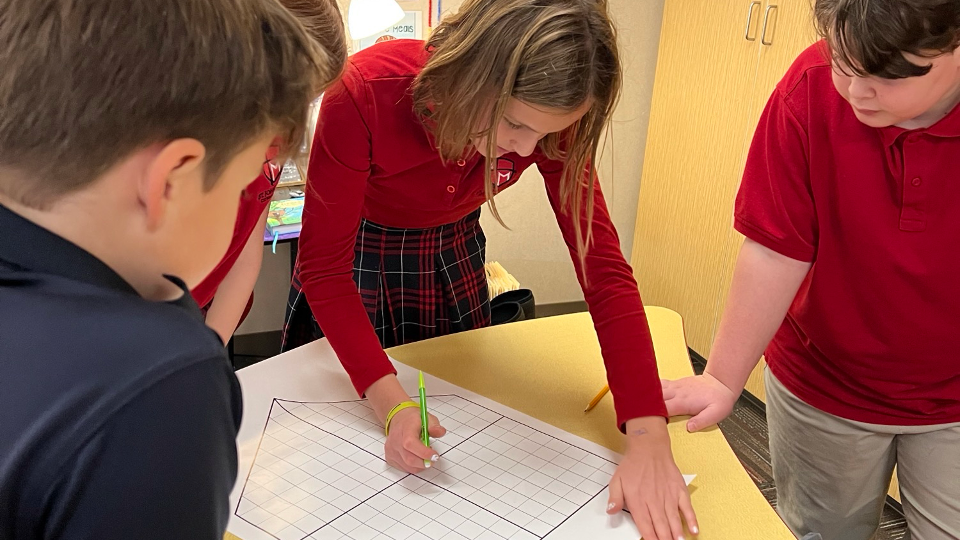
Teamwork
Collaborative learning involves students working together to achieve shared goals. During collective problem-solving, students learn from one another through modeling, conversation, and constructive interaction.
Cooperative learning strategies can lead to significant gains in achievement, especially when groups are structured to ensure both mutual interdependence and individual accountability (Slavin, 2014). Students in collaborative learning environments develop critical thinking skills as they articulate ideas, question assumptions, and consider multiple perspectives (Webb, 2009). Team-based learning environments help students manage cognitive load by distributing complex tasks among members, allowing students to take on challenging problems collectively (Sweller, 2010).
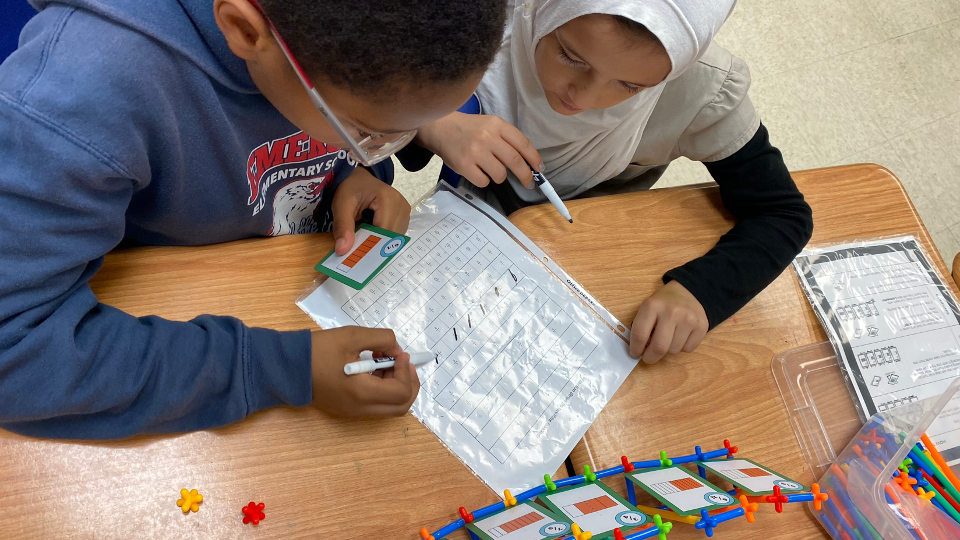
Project-Based Learning
Students are motivated by hands-on, real-world learning environments that provide agency and self-direction.
The learner's interests and goals are central to education (Kilpatrick, 1918). Students who experience a sense of ownership over their work are more likely to persist through challenges (Blumenfeld et al, 1991). Learning tasks that require sustained inquiry and collaboration help students to think creatively (Hmelo-Silver, 2004).
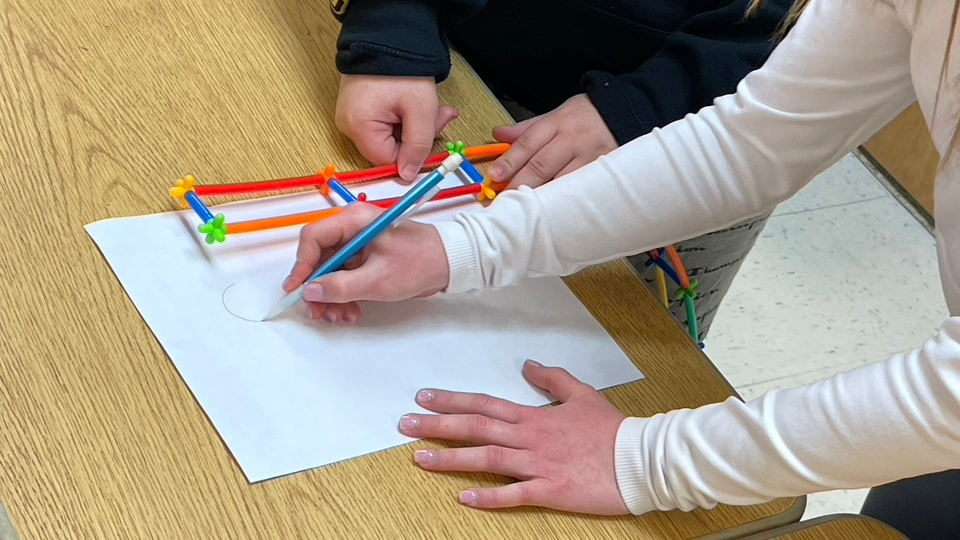
Hands-on Experience
Handling real objects during active problem-solving makes learning more concrete.
Learning by doing enables students to make connections between theoretical knowledge and practical application (Dewey, 1938). Students who engage in hands-on activities become more curious and, in certain cases, can develop stronger conceptual understanding (Haury & Rillero, 1994).

Problem-solving
As they solve problems, students must apply knowledge adaptively and develop a deeper understanding of the material.
A learning environment should enable students to understand the problem, make a plan, execute the plan, and look back and reflect (Polya, 1945). Active problem-solving builds critical thinking and teamwork skills (Hmelo-Silver, 2019).

Creativity
Creativity is not just about artistic expression but about problem-solving, innovation, and critical thinking.
Collaborative creativity allows students to work together and develop new ideas and solutions (Sawyer, 2010). Learning environments that provide autonomy and encourage exploration can enhance creative performance (Amabile, 1996). Providing challenging but achievable creative tasks along with clear goals and immediate feedback can help students experience creative flow (Csikszentmihalyi, 1990).
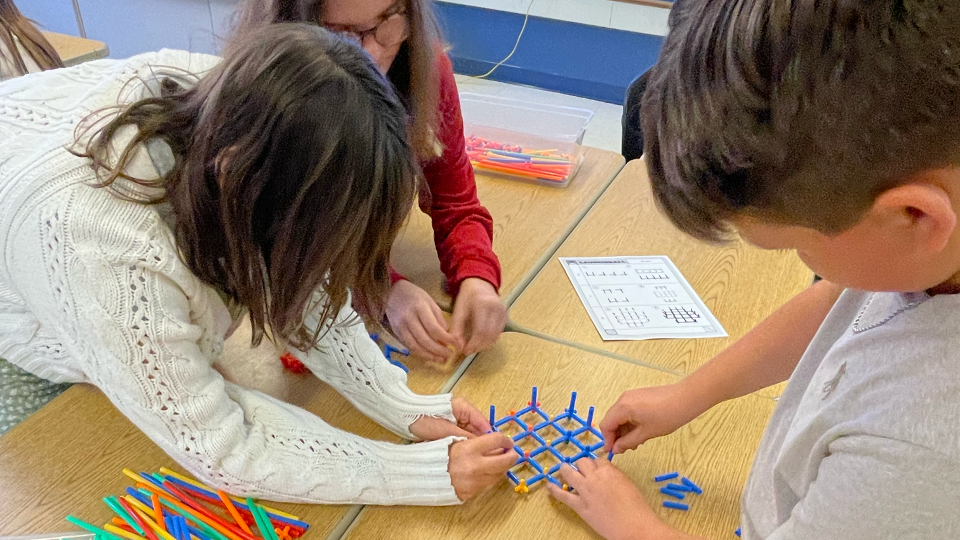
Leadership
Giving students the chance to take on leadership roles helps them develop confidence and a sense of responsibility to a team.
Educators have long recognized that school should prepare individuals to become participants and leaders in a democratic society (Dewey, 1916). Cooperative learning environments promote leadership by requiring students to take on specific roles within their groups (Johnson & Johnson, 2009).

Community
Students can thrive in a learning environment where they feel valued and connected to a community of learners.
Positive peer interactions contribute to a supportive classroom community where students feel comfortable taking intellectual risks (Wentzel and Muenks, 2016; Meyerhoff, 2023). Culturally responsive teaching practices can enhance students' sense of belonging (Hammond, 2014; Gay, 2010).
